 |
|  |


|
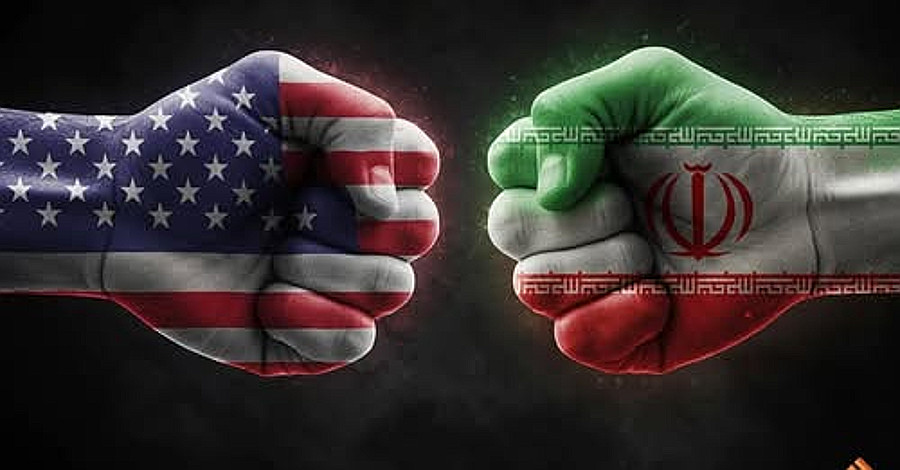
Trump Went to Iran for Regime Change. Iran Delivered It in Washington. On February 28, Washington and Israel unleashed overwhelming military force, assassinating Iran’s supreme leader, devastating infrastructure, and inflicting enormous human suffering. They possessed the aircraft, missiles, intelligence systems, and technological superiority. They could kill leaders, destroy installations, and terrorize cities. What they could not do was compel Iran to surrender. That failure is the heart of their strategic catastrophe. Iran demonstrated that defeating an empire does not require defeating its armies. It requires denying the empire its political objectives while making aggression unbearably costly. Tehran survived, reorganized, retaliated, and transformed American military superiority into strategic frustration. The Strait of Hormuz became a powerful instrument of that resistance. Energy disruptions, soaring fuel costs, inflationary pressures, military expenditures, and commercial uncertainty carried the war directly into American households. Washington exported bombs. Iran made Washington import the consequences. The Pentagon could count its missiles. It could not count the votes those missiles would cost Trump. Here lies the magnitude of Iran’s achievement: a country subjected to devastating assault exposed the political vulnerability of the world’s most powerful military establishment. American imperialism discovered that its capacity to inflict destruction vastly exceeds its capacity to impose submission. And the political reckoning did not stop with Trump. The election also represents a potentially historic defeat for Zionism’s political power in America. For decades, the pro-Israel political establishment has worked to make unwavering support for Israeli military objectives a virtually unquestionable principle of American foreign policy. Washington’s strategic priorities were repeatedly subordinated to a regional alliance whose costs ordinary Americans were expected to absorb. The Iran war exposed the danger of that arrangement on a spectacular scale. Trump embraced Israel’s confrontation with Iran, sacrificed his own antiwar promises, and helped plunge his presidency into political disaster. The electoral backlash now threatens something deeper than Republican control of Congress: the assumption that alignment with Israeli militarism carries no decisive domestic political price. This election does not establish that Americans have collectively rejected Zionism. But it delivers a devastating warning to its political advocates: supporting Israel’s wars is no longer guaranteed to be politically cost-free. The irony is merciless. Trump built his movement by denouncing endless wars, Washington corruption, and the foreign-policy establishment. Then he became the very interventionist president his supporters believed they had rejected. He promised America First. He delivered another war abroad and political collapse at home. Certainly, economic insecurity, corruption, and dissatisfaction with Trump’s broader presidency contributed to the Democratic landslide. But the Iran war intensified those grievances and exposed the bankruptcy of a foreign policy built on military supremacy and political impunity. The suffering of Iranians must never be minimized. Nor should strategic resistance be confused with an uncomplicated military victory. But the historic significance remains: Iran denied Washington the outcome for which it went to war, while the war helped destroy Trump’s ability to govern with a compliant Congress. The empire could devastate Iran. It could not dictate Iran’s future. And it could not protect its own political masters from the consequences. Trump sought to demonstrate America’s power by changing Iran’s government. Instead, Iranian resistance helped reveal the limits of American power, shake the foundations of Washington’s pro-Israel consensus, and overturn his party’s congressional dominance. Trump went to Iran to change its regime. Iran survived. American voters changed his. Back |
|
||||||
Thanks for visting the G20 From Below Website. If you want something published here or other enquiries mailto:Brics-from-below@protonmail.com
|
|||||||